

Latest News
What Is Freight Consolidation in Logistics?
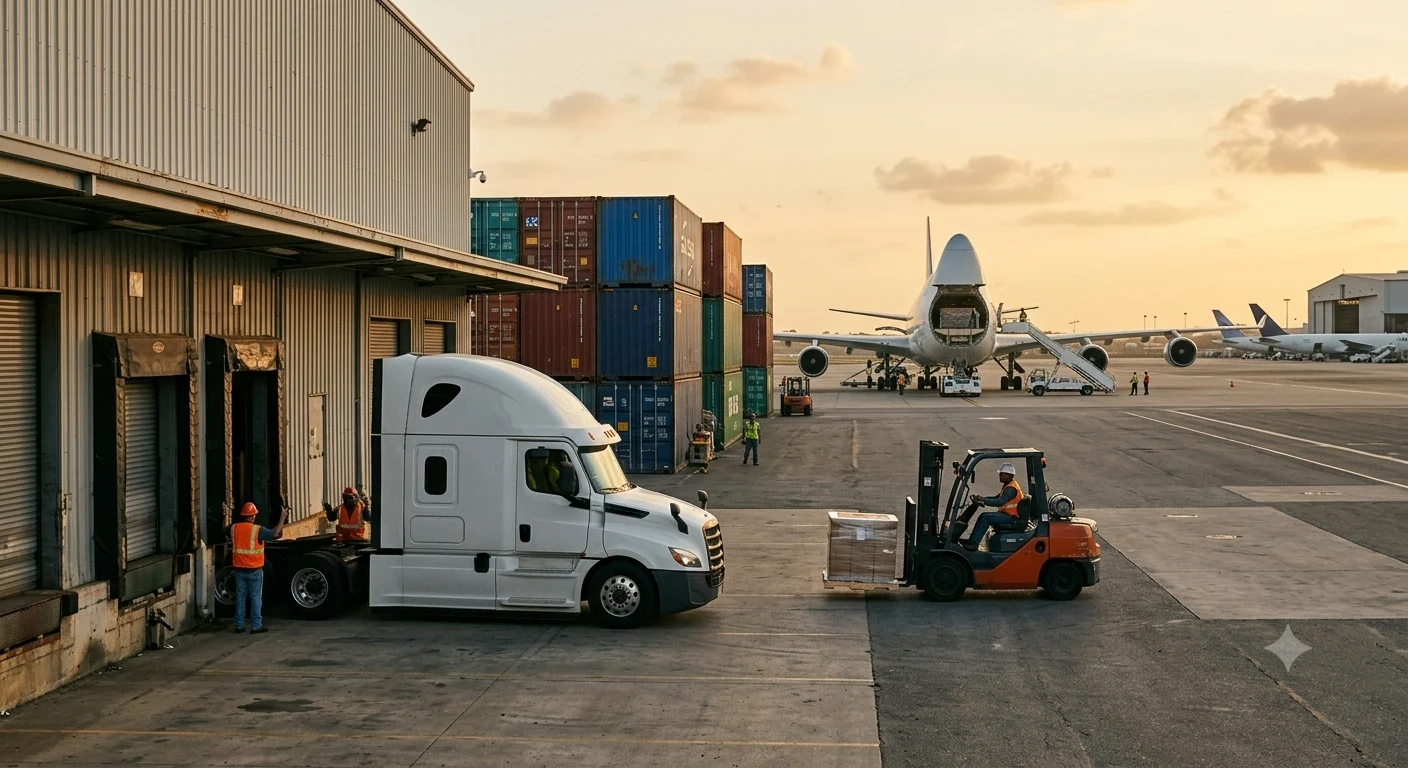
Understanding Freight Consolidation in International Logistics
Freight consolidation is a logistics process in which multiple smaller shipments are combined into one larger shipment before transportation. It is commonly used when a business does not have enough cargo to fill a full container, truck, or transport unit on its own.
For companies involved in international trade, freight consolidation can provide a practical balance between cost efficiency, shipment planning, and cargo movement. Instead of paying for unused transport capacity, businesses share space with other compatible shipments moving along similar routes.
Skybey supports international logistics planning by helping businesses understand when consolidation, LCL shipping, groupage transport, or dedicated freight solutions may be more suitable for their cargo requirements.
What Does Freight Consolidation Mean?
Freight consolidation means grouping smaller shipments from different shippers or from different purchase orders into a single transport movement. These shipments may be combined inside a container, truck, trailer, pallet network, or warehouse consolidation program depending on the transport mode.
The main purpose is to improve space utilization and reduce unnecessary transportation costs. In many cases, consolidation is used when cargo volume is too small for full truckload or full container load shipping but still requires international or regional transport.
Key Takeaways
- Freight consolidation combines smaller shipments into one larger movement.
- It is commonly used in LCL, groupage, and partial load transport.
- Businesses may reduce costs by sharing transport capacity.
- Transit times can vary depending on consolidation schedules.
- Accurate documentation and cargo planning remain important.
How Freight Consolidation Works
Cargo Collection
The process usually begins with cargo collection from suppliers, warehouses, factories, or distribution points. Each shipment is identified, measured, documented, and prepared for consolidation.
Consolidation at a Warehouse
Shipments are brought to a consolidation warehouse or logistics hub. There, cargo is grouped with other compatible shipments moving toward the same destination country, port, airport, or regional distribution point.
International Transportation
Once consolidated, the combined shipment moves by sea, road, air, or rail. In ocean freight, this is often known as LCL shipping. In road freight, it may be called groupage or less-than-truckload transport.
Deconsolidation and Final Delivery
At the destination hub, cargo is separated according to consignee, delivery address, or customs status. After deconsolidation, each shipment continues to its final destination through local distribution or onward transport.
When Should Businesses Use Freight Consolidation?
Businesses should consider freight consolidation when shipment volume is not large enough for a dedicated container or vehicle. It may also be useful when companies order goods from multiple suppliers and want to combine them before international transportation.
Freight consolidation is commonly used for:
- Small and medium-sized international shipments
- LCL ocean freight cargo
- Groupage road freight
- Multiple supplier shipments
- Retail replenishment cargo
- E-commerce inventory movement
- Regular but low-volume export shipments
- Cost-sensitive supply chain planning
Shipment planning typically depends on cargo volume, transit expectations, destination, documentation requirements, and delivery flexibility.
Benefits of Freight Consolidation
Better Cost Efficiency
One of the main advantages of freight consolidation is cost optimization. Businesses can share transport space instead of paying for unused capacity in a full container or dedicated vehicle.
Improved Transport Planning
Consolidation can help companies organize multiple small shipments under one logistics plan. This may simplify coordination between suppliers, warehouses, freight forwarders, and final delivery points.
Flexible Shipping for Smaller Volumes
Not every business ships large volumes at once. Freight consolidation gives smaller or medium-sized shipments access to international logistics networks without requiring full transport capacity.
Useful for Multi-Supplier Operations
Many importers purchase goods from different suppliers in the same country or region. Consolidating these shipments before export can reduce handling complexity and support more organized cargo movement.
LCL, Groupage, and Freight Consolidation
LCL, or less-than-container load, is a common form of freight consolidation in ocean shipping. It allows multiple customers to share container space when individual shipments do not require a full container.
Groupage works in a similar way for road freight. Several smaller shipments are combined in one truck or trailer and transported through a shared route network.
Both methods can be useful when businesses want to reduce transport costs while maintaining access to international shipping routes. However, consolidated cargo may require additional handling and scheduling, which can influence transit time.
Transit Time Considerations
Freight consolidation can improve cost efficiency, but transit time may be longer than dedicated transport. Shipments often need to wait for compatible cargo, warehouse processing, consolidation, and deconsolidation at destination.
Businesses should evaluate whether delivery flexibility allows for consolidated shipping. If cargo is urgent, high-value, or required for a fixed production deadline, dedicated transport or air freight may be more appropriate.
For planned inventory replenishment, regular supplier shipments, and non-urgent commercial cargo, consolidation often provides a practical logistics solution.
Customs and Documentation
Consolidated shipments still require accurate customs documentation. Commercial invoices, packing lists, transport documents, certificates of origin, and product information should be prepared according to destination requirements.
Because multiple shipments may move together, documentation accuracy becomes especially important. Incorrect or incomplete paperwork for one shipment may affect processing, inspection, or release timelines.
Proper freight documentation supports smoother customs clearance and helps maintain continuity throughout the consolidation process.
Is Freight Consolidation Right for Every Shipment?
Freight consolidation is not suitable for every logistics requirement. Some shipments may need dedicated space because of cargo sensitivity, delivery urgency, high value, temperature control, hazardous classification, or special handling needs.
Businesses should compare consolidation with full container load, full truckload, express road freight, air freight, or charter solutions depending on operational priorities.
The right choice depends on the balance between cost, transit time, cargo type, destination, and supply chain flexibility.
Why Freight Consolidation Matters for Supply Chains
As international trade becomes more cost-sensitive, many businesses look for logistics models that reduce unnecessary transport expenses without disrupting cargo flow. Freight consolidation can support this objective by improving space utilization and allowing smaller shipments to move through established transport networks.
For importers, exporters, distributors, and manufacturers, consolidation can become part of a wider supply chain strategy. When planned correctly, it may help businesses manage shipment frequency, supplier coordination, warehouse operations, and international freight costs more effectively.
Skybey helps businesses evaluate freight consolidation options according to shipment size, destination, documentation needs, and delivery expectations. With careful planning, consolidated freight can provide a flexible and efficient solution for many international shipping requirements.