

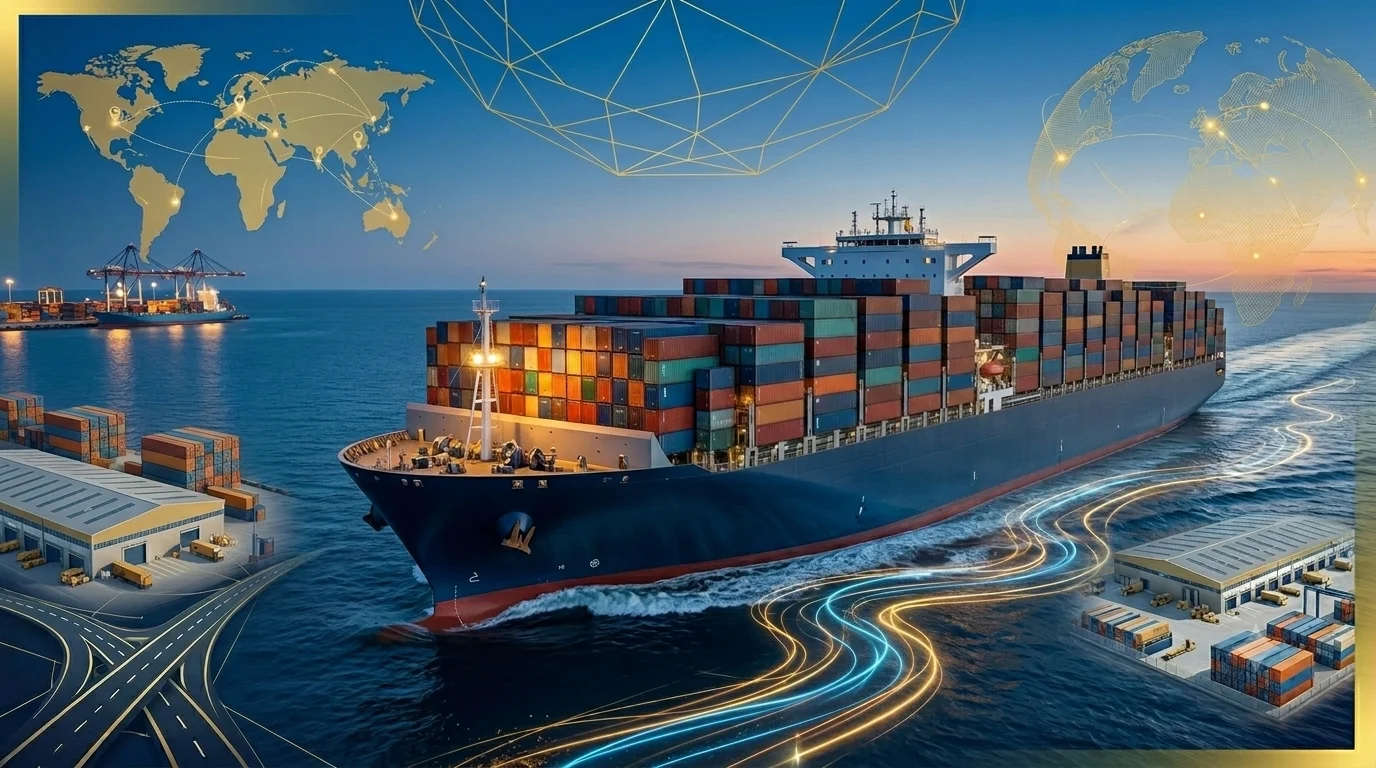
Efficient Sea Freight Solutions for International Shipping
Sea freight remains one of the most widely used transportation methods in international trade, offering businesses a practical solution for moving cargo across global markets. Whether shipping full container loads, consolidated freight, or oversized cargo, ocean transportation supports international supply chains through extensive port networks and flexible shipping options.
Skybey provides international sea freight services for importers, exporters, manufacturers, wholesalers, retailers, and industrial organizations seeking dependable cargo transportation. Every shipment is carefully planned according to cargo characteristics, destination, delivery priorities, and international trade requirements.
Ocean freight is more than transporting containers between ports. Successful shipments require coordinated logistics planning, documentation management, customs compliance, carrier scheduling, and continuous cargo monitoring throughout the transportation process.
What Is Sea Freight?
Sea freight refers to the transportation of commercial cargo by cargo vessels operating across international shipping routes. It is commonly selected for large-volume shipments, containerized goods, industrial equipment, project cargo, and international trade where transportation efficiency and shipping capacity are important considerations.
Businesses often choose ocean freight because it supports global commerce while providing flexible solutions for different shipment sizes, industries, and supply chain requirements.
Quick Overview
- International container shipping across global ports
- FCL and LCL freight solutions
- Suitable for large-volume commercial cargo
- Integrated customs documentation support
- Flexible transportation for international supply chains
Benefits of International Sea Freight
Cost Efficiency for Large Shipments
Sea freight is often selected when businesses transport substantial cargo volumes across international markets. Compared with faster transportation methods, ocean shipping may provide a practical balance between transportation cost and shipping capacity for many commercial operations.
High Cargo Capacity
Container vessels are capable of transporting significant quantities of cargo within a single shipment. This makes sea freight particularly suitable for manufacturers, distributors, and international trading companies handling regular export and import activities.
Global Port Connectivity
International shipping routes connect major commercial ports around the world, enabling businesses to access suppliers, production facilities, and customers across numerous global markets.
Support for Various Cargo Types
Ocean freight can accommodate a wide range of cargo, including palletized goods, industrial equipment, consumer products, machinery, raw materials, project cargo, and oversized shipments requiring specialized handling.
FCL and LCL Shipping Options
Full Container Load (FCL)
FCL shipping allows one customer to use an entire container for a single shipment. This option may be appropriate for businesses transporting larger cargo volumes or shipments that benefit from reduced cargo handling during transportation.
Less than Container Load (LCL)
LCL shipping combines cargo from multiple customers within one container. It offers an efficient alternative for businesses shipping smaller volumes that do not require a dedicated container while maintaining access to international shipping routes.
The appropriate shipping option depends on cargo size, shipment frequency, delivery schedule, and commercial priorities.
The Sea Freight Process
Shipment Planning
The logistics process begins with evaluating cargo dimensions, weight, destination, container requirements, documentation, and preferred shipping schedule. Proper planning supports more efficient transportation from origin to destination.
Container Loading
Cargo is prepared and loaded according to international transportation standards. Proper packaging and loading procedures help protect goods throughout the maritime journey.
Ocean Transportation
Containers travel through established international shipping routes connecting major ports worldwide. Depending on the selected service, shipments may involve direct sailings or transshipment through regional hubs.
Arrival and Customs Clearance
Once cargo reaches the destination port, customs procedures are completed before shipment release. Accurate freight documentation may contribute to more efficient customs processing and smoother cargo delivery.
Industries That Rely on Sea Freight
Many sectors depend on ocean transportation because of its ability to move commercial cargo efficiently across international markets.
Sea freight commonly supports:
- Manufacturing industries
- Retail distribution
- Construction materials
- Industrial machinery
- Automotive components
- Consumer goods
- Chemical products
- Agricultural commodities
Businesses often choose sea freight when shipment size, transportation cost, and international trade requirements make maritime transport the most suitable logistics solution.
Customs and International Documentation
International ocean shipments require accurate preparation before departure. Commercial invoices, packing lists, bills of lading, certificates of origin, and customs declarations all contribute to successful freight movement.
Documentation requirements vary depending on the origin, destination, cargo type, and applicable trade regulations. Preparing documents correctly before shipment departure may help reduce delays during customs clearance.
Compliance remains an important aspect of international logistics, particularly for companies operating across multiple countries and trade regions.
Sea Freight Within a Multimodal Logistics Strategy
Ocean freight frequently forms one part of a broader multimodal transportation solution. Cargo may begin its journey by truck, continue by sea, and complete final delivery through road or rail transportation after arriving at the destination port.
This integrated logistics approach allows businesses to optimize transportation planning while maintaining cargo visibility across every stage of the supply chain.
Combining sea freight with complementary transportation methods helps create flexible logistics solutions that adapt to changing operational requirements.
Why Businesses Choose Skybey for Sea Freight
Successful ocean transportation depends on careful planning, professional coordination, and accurate documentation. Skybey supports businesses by developing sea freight solutions that reflect cargo requirements, shipping schedules, destination conditions, and commercial objectives.
From shipment planning and container coordination to customs support and delivery management, every logistics process is handled with attention to operational efficiency and international trade compliance.
As global commerce continues to expand, sea freight remains one of the foundations of international logistics. Skybey helps businesses navigate international ocean transportation with reliable freight forwarding, practical expertise, and carefully coordinated logistics solutions.