

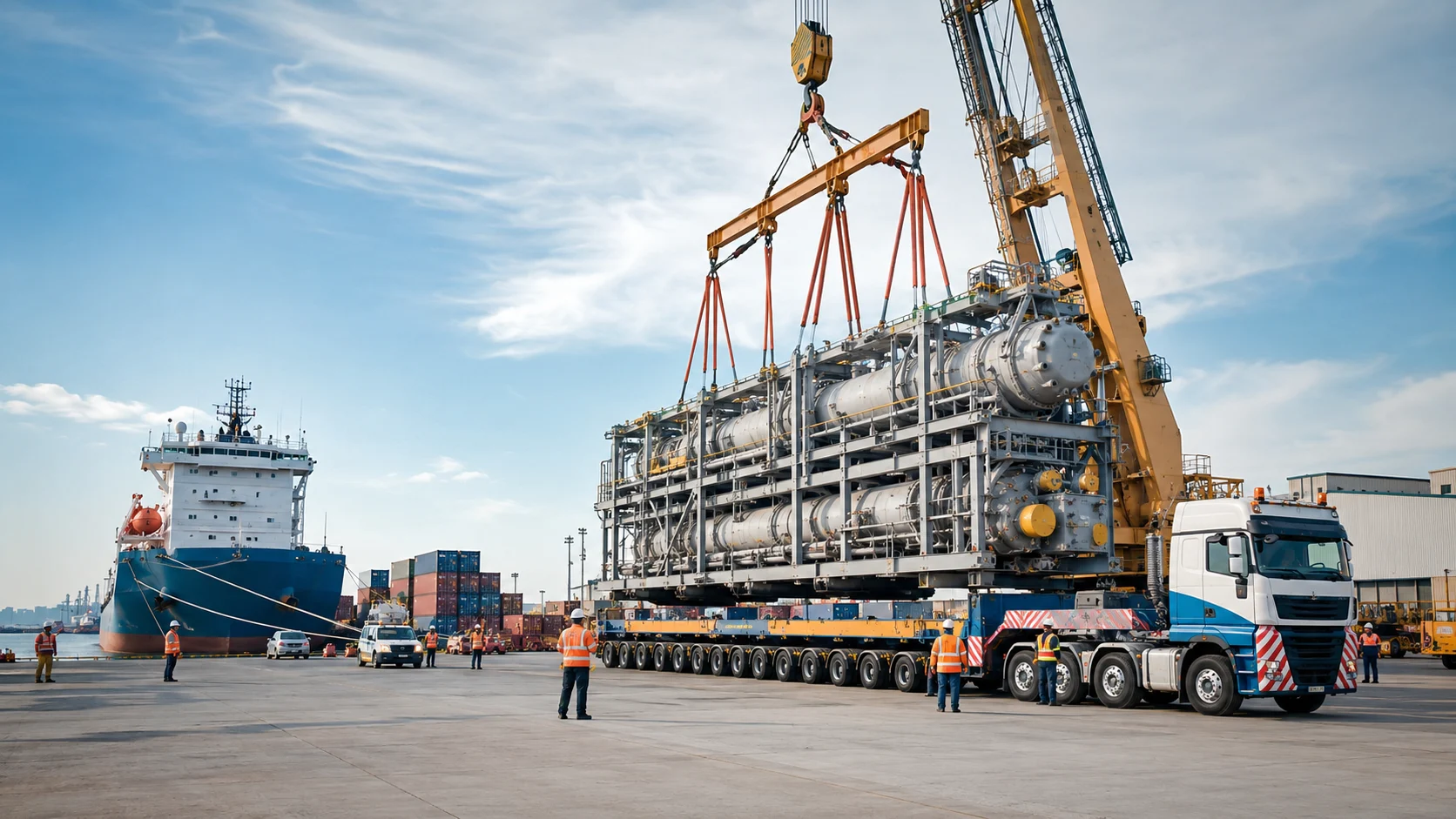
Specialized Project Cargo Solutions for Complex Logistics
Project cargo transportation requires far more than standard freight forwarding. Oversized equipment, heavy machinery, industrial components, and infrastructure materials demand careful planning, technical expertise, and coordinated logistics from origin to final installation site. Every movement must be organized according to the cargo’s dimensions, weight, route conditions, handling requirements, and delivery schedule.
Skybey provides international project cargo services for industries managing large-scale construction, manufacturing, energy, mining, engineering, and infrastructure projects. Each shipment is planned individually to ensure transportation solutions align with operational objectives while supporting efficient cargo movement across international supply chains.
Unlike conventional freight, project cargo often involves multiple transport modes, specialized lifting equipment, route surveys, customs coordination, and detailed scheduling. Successful execution depends on preparation long before transportation begins.
What Is Project Cargo?
Project cargo refers to the transportation of oversized, overweight, high-value, or technically complex shipments that require customized logistics planning. These shipments frequently involve equipment that cannot be transported through standard container services or conventional freight solutions.
Project logistics typically combines engineering, transportation management, customs procedures, cargo handling, and operational coordination into one integrated logistics strategy. Every project has unique technical and commercial requirements that influence transportation planning.
Key Takeaways
- Customized logistics planning for complex shipments
- Heavy lift and oversized cargo transportation
- Multimodal freight coordination
- Route surveys and transport engineering
- International customs and documentation support
Types of Project Cargo
Project cargo encompasses a wide variety of industrial shipments that require specialized transportation methods.
Heavy Lift Cargo
Heavy lift transportation involves machinery, turbines, generators, transformers, industrial equipment, and manufacturing systems whose weight exceeds standard freight capabilities.
Oversized Cargo
Oversized cargo includes shipments with dimensions that require special transport permits, route analysis, escort vehicles, or customized loading procedures during transportation.
Industrial Plant Equipment
Factories, refineries, production facilities, and processing plants often require transportation of complete production systems consisting of multiple large components delivered according to installation schedules.
Infrastructure Components
Bridge sections, construction materials, wind turbine components, energy systems, and engineering structures frequently require dedicated project logistics planning.
Industries That Require Project Cargo Services
Many industries depend on project logistics because conventional freight services cannot accommodate the size, weight, or complexity of their equipment.
Project cargo commonly supports:
- Oil and gas projects
- Renewable energy developments
- Power generation facilities
- Mining operations
- Construction and infrastructure projects
- Manufacturing plants
- Chemical processing facilities
- Marine engineering projects
- Aerospace industries
- Industrial automation systems
Many businesses encounter situations where project schedules depend on precisely coordinated transportation. Delays in equipment delivery may influence construction timelines, installation activities, and commercial operations.
Planning a Project Cargo Operation
Technical Cargo Assessment
Every project begins by evaluating cargo dimensions, total weight, center of gravity, lifting points, packaging methods, and handling requirements. These technical details determine the transportation strategy.
Route Engineering
Project cargo frequently requires route analysis before transportation begins. Bridge capacities, road restrictions, tunnel clearances, port infrastructure, and destination accessibility may all influence logistics planning.
Equipment Selection
Depending on cargo characteristics, transportation may require specialized trailers, cranes, lifting systems, modular transport equipment, or heavy-duty handling solutions.
Operational Coordination
Project logistics often involves multiple contractors, carriers, port operators, customs authorities, engineering teams, and installation crews. Coordinating these participants helps maintain project continuity throughout transportation.
Multimodal Transportation for Project Cargo
Large industrial shipments rarely depend on a single transport method. Project cargo frequently combines road freight, sea freight, rail transportation, inland waterways, and occasionally air charter services to reach destinations that standard shipping solutions cannot efficiently serve.
For example, heavy equipment may travel by truck to a seaport, continue by specialized vessel to another country, and then complete the final stage through heavy-haul road transport using modular trailers and lifting equipment.
This integrated transportation model allows logistics planning to adapt according to cargo specifications, infrastructure availability, and project requirements.
Customs and Regulatory Compliance
International project cargo shipments require comprehensive documentation before transportation begins. Commercial invoices, packing lists, transport documents, permits, certificates, and customs declarations should be prepared according to destination requirements.
Oversized shipments may also require transport permits, route approvals, escort authorizations, or specialized regulatory clearances depending on local infrastructure and national transportation regulations.
Accurate documentation supports smoother customs procedures while helping project schedules remain aligned with operational milestones.
Risk Management in Project Logistics
Project cargo involves technical, operational, and environmental factors that require proactive planning. Weather conditions, infrastructure limitations, loading procedures, equipment availability, and cross-border regulations may all influence transportation.
Effective project logistics includes contingency planning, cargo inspections, transport engineering, communication between stakeholders, and continuous monitoring throughout the shipment.
Shipment planning typically depends on engineering requirements, delivery deadlines, installation schedules, and operational priorities unique to each project.
Why Businesses Choose Skybey for Project Cargo
Project logistics requires expertise beyond conventional freight forwarding. Every shipment presents unique transportation challenges that demand customized planning, technical coordination, and careful execution.
Skybey develops project cargo solutions tailored to oversized equipment, heavy lift cargo, industrial machinery, and complex international logistics operations. From route planning and transport engineering to customs coordination and final delivery, every stage is managed with attention to operational reliability and project continuity.
As industries continue to invest in large-scale infrastructure, manufacturing, and energy developments, project cargo remains an essential component of international logistics. Skybey supports businesses with professional project logistics solutions designed to move critical equipment safely, efficiently, and according to project requirements.