

Latest News
What Documents Are Required for International Freight Shipping?
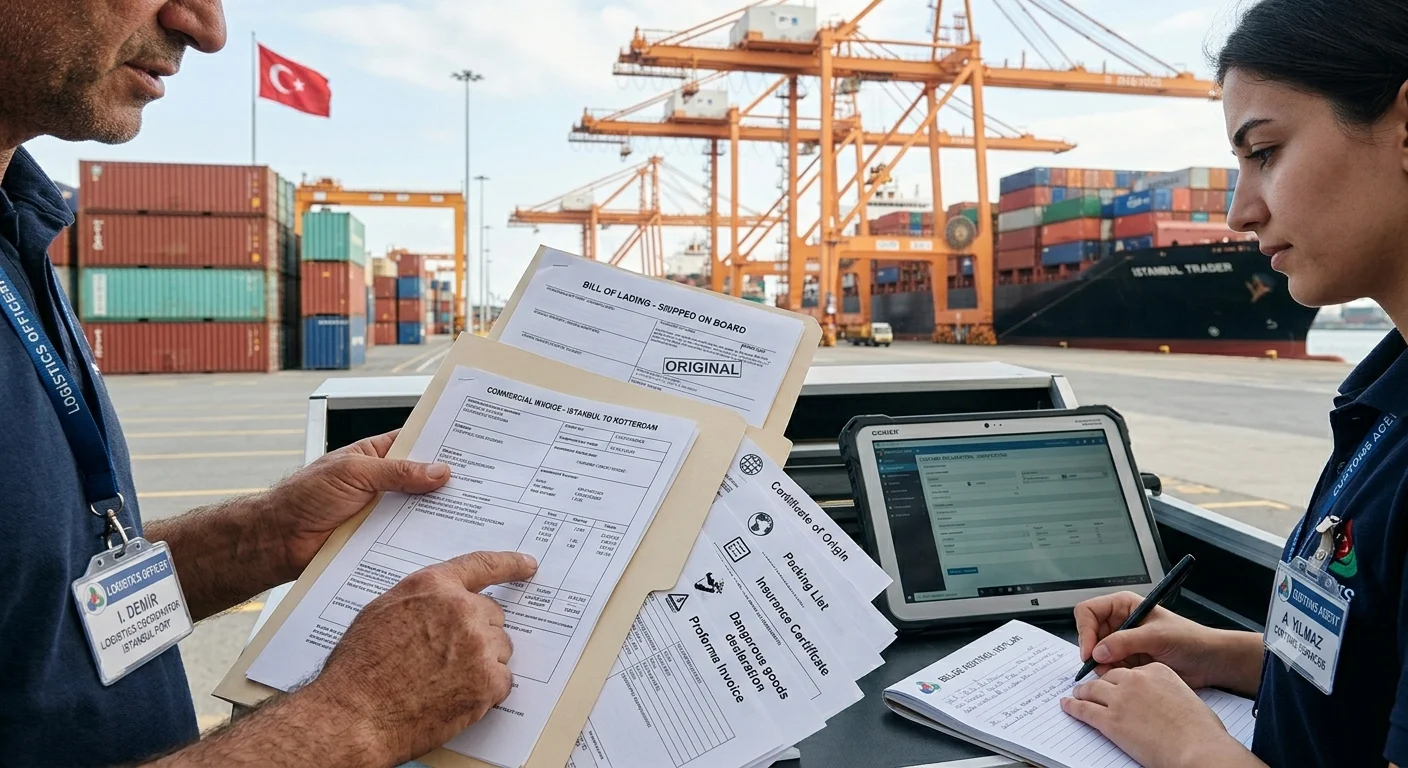
Essential Shipping Documents for International Freight
International freight shipping involves much more than transporting cargo between countries. Every shipment must be supported by accurate documentation to satisfy customs authorities, transportation providers, and trading partners. Even a minor documentation error may result in customs delays, additional inspections, or postponed deliveries.
Whether goods move by air, sea, road, or rail, shipping documents provide the information required to identify the cargo, verify ownership, calculate duties and taxes, and complete international customs procedures. Preparing these documents correctly is an important part of efficient logistics planning.
Skybey supports businesses involved in global import and export by helping coordinate freight operations where documentation accuracy contributes to reliable cargo movement and smoother customs clearance.
Why Shipping Documents Matter
International shipments pass through multiple checkpoints during transportation. Customs authorities, freight carriers, logistics providers, ports, airports, and border agencies rely on shipping documents to verify cargo details before allowing goods to continue their journey.
Accurate documentation helps reduce administrative delays while supporting compliance with international trade regulations.
Key Takeaways
- Shipping documents support customs clearance.
- Each document serves a different purpose.
- Documentation requirements vary by shipment.
- Accurate paperwork reduces avoidable delays.
- Preparation should begin before cargo departure.
Commercial Invoice
The Commercial Invoice is one of the most important documents in international trade. It provides customs authorities with information about the transaction between the buyer and seller.
A Commercial Invoice commonly includes:
- Seller and buyer information
- Product descriptions
- Quantity of goods
- Unit and total values
- Currency
- Country of origin
- Applicable Incoterms
Customs authorities frequently use this document to determine duties, taxes, and import compliance requirements.
Packing List
A Packing List describes how goods are packed for transportation. While similar to a Commercial Invoice, it focuses on cargo details rather than commercial values.
Typical information includes:
- Number of packages
- Dimensions
- Gross and net weight
- Packaging type
- Marks and numbers
- Contents of each package
Warehouse operators, customs officials, and freight carriers often rely on the Packing List when inspecting or handling shipments.
Bill of Lading (B/L)
The Bill of Lading is one of the primary transport documents used in ocean freight. It serves several important functions, including acting as a receipt for cargo, evidence of the transportation contract, and, in many situations, a document of title.
It generally contains:
- Shipper details
- Consignee information
- Vessel details
- Port of loading
- Port of discharge
- Cargo description
- Container information
The Bill of Lading remains one of the key documents used throughout international sea freight operations.
Air Waybill (AWB)
For air freight shipments, the Air Waybill replaces the Bill of Lading as the primary transport document. It confirms that the airline has accepted the shipment and outlines the transportation agreement.
Unlike some Bills of Lading, an Air Waybill is generally not considered a document of title. Instead, it functions primarily as a shipment receipt and transportation contract.
Air cargo operators, freight forwarders, and customs authorities use the AWB throughout the transportation process.
Certificate of Origin
A Certificate of Origin confirms the country where goods were manufactured or produced. Some importing countries require this document to determine eligibility for preferential tariff agreements or specific trade regulations.
Depending on destination requirements, the certificate may be issued by an authorized chamber of commerce or another recognized authority.
Accurate origin information supports customs compliance and international trade documentation.
Customs Declaration
Every international shipment requires customs declarations that provide authorities with information regarding the imported or exported goods.
Customs declarations typically include:
- Product classification
- Declared value
- Country of origin
- Importer and exporter details
- Applicable tariff codes
- Supporting documentation
Incomplete or inaccurate customs declarations may delay cargo during border processing.
Additional Documents That May Be Required
Some international shipments require documents beyond the standard paperwork. The required documentation depends on cargo type, destination country, product regulations, and transportation method.
Additional documents may include:
- Insurance Certificate
- Import or Export License
- Inspection Certificate
- Health Certificate
- Phytosanitary Certificate
- Dangerous Goods Declaration
- Quality Certificate
Businesses should verify destination-specific requirements before cargo departs to avoid unnecessary customs complications.
Common Documentation Mistakes
Many shipping delays occur because information is inconsistent across multiple documents. Product descriptions, quantities, values, weights, consignee information, and tariff classifications should match throughout the documentation package.
Businesses often encounter delays when documents contain incomplete information, incorrect product codes, or missing signatures where required.
Reviewing documentation before shipment departure helps reduce the likelihood of customs inspections or administrative corrections.
Preparing Shipping Documents Efficiently
Document preparation should begin as soon as international transportation is confirmed. Coordinating documentation with suppliers, freight forwarders, customs brokers, and logistics providers supports smoother cargo movement throughout the supply chain.
Shipment planning typically depends on transportation mode, destination regulations, cargo characteristics, and applicable customs procedures.
Maintaining organized shipping records also simplifies future shipments and supports ongoing international trade operations.
Why Accurate Documentation Supports International Logistics
Shipping documents form the foundation of international freight transportation. They allow customs authorities to verify cargo, carriers to move shipments, and businesses to complete cross-border trade efficiently.
Skybey helps businesses coordinate international freight solutions supported by accurate documentation, customs preparation, and professional logistics planning. Whether transporting goods by air, sea, road, or rail, complete and well-prepared shipping documents contribute to reliable cargo movement and efficient international supply chain operations.