Latest News
Understanding Incoterms in International Shipping
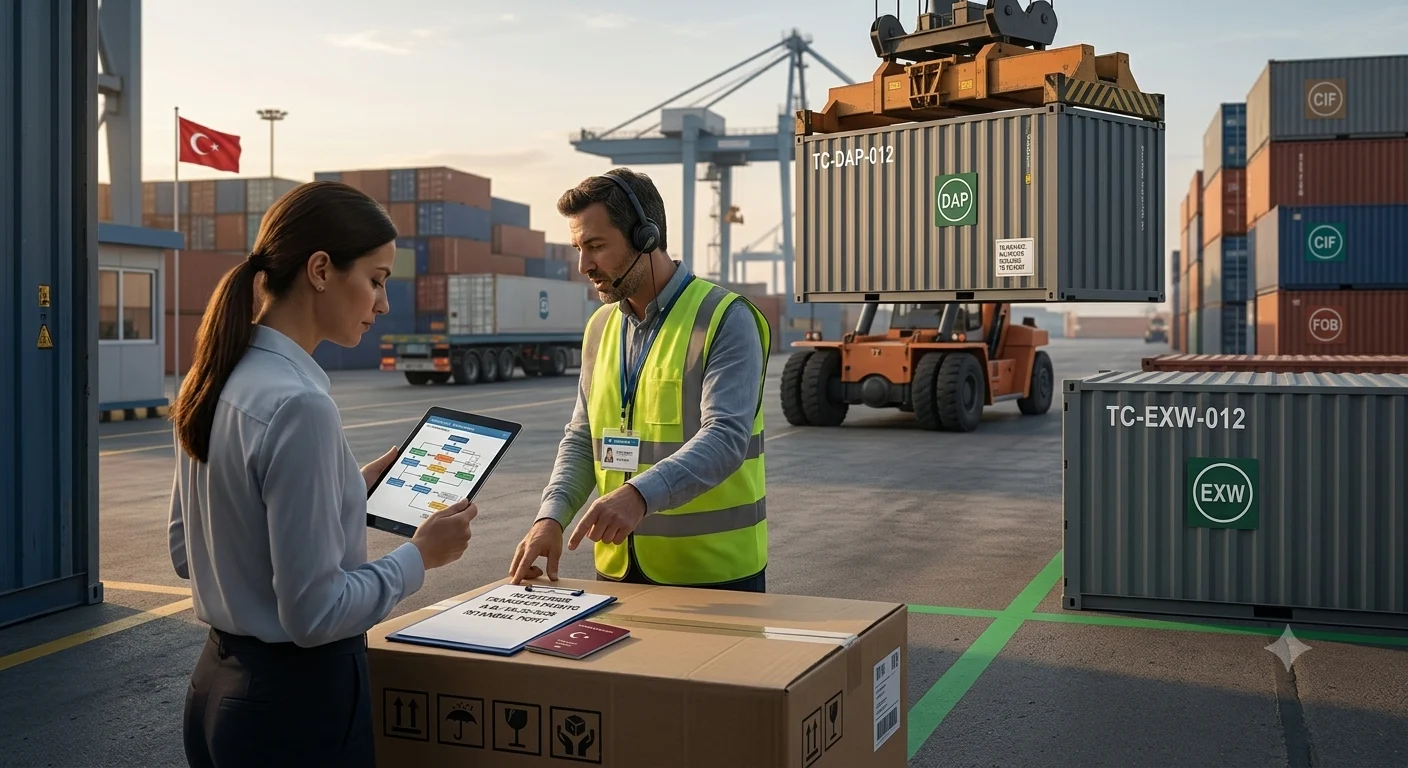
Understanding Incoterms in Global Trade
International shipping involves more than transporting goods between countries. Every transaction requires a clear understanding of who is responsible for transportation costs, customs procedures, insurance, and delivery at each stage of the shipment. Incoterms provide a standardized framework that helps buyers and sellers define these responsibilities before goods begin their journey.
Used in international trade contracts around the world, Incoterms reduce misunderstandings by establishing consistent delivery terms between trading partners. Whether cargo moves by air, sea, road, or rail, selecting the appropriate Incoterm supports clearer communication and more efficient logistics planning.
Skybey works with businesses involved in global import and export operations, where understanding Incoterms contributes to smoother freight coordination and better supply chain management.
What Are Incoterms?
Incoterms, short for International Commercial Terms, are globally recognized trade rules published by the International Chamber of Commerce (ICC). They define the responsibilities of buyers and sellers regarding transportation, delivery, customs procedures, risk transfer, and shipping costs.
Incoterms do not determine ownership of goods or payment conditions. Instead, they clarify which party is responsible for specific logistics activities throughout the shipment.
Key Takeaways
- Incoterms define delivery responsibilities between buyers and sellers.
- They allocate transportation costs and operational risks.
- They support consistent communication in international trade.
- Different Incoterms are suitable for different transport methods.
- Choosing the correct term helps improve shipment planning.
Why Incoterms Matter
International trade often involves multiple transportation providers, customs authorities, warehouses, and distribution networks. Without clearly defined responsibilities, misunderstandings may arise regarding freight costs, insurance, customs clearance, or delivery obligations.
Using the appropriate Incoterm allows both parties to understand where responsibility transfers during the shipment. This supports better logistics planning and helps reduce commercial disputes.
Businesses often include Incoterms in purchase agreements, sales contracts, and shipping documentation to ensure both parties share the same expectations before transportation begins.
Commonly Used Incoterms
EXW (Ex Works)
Under EXW, the seller makes the goods available at its premises. The buyer assumes responsibility for transportation, export procedures, freight costs, customs clearance, and delivery from that point onward.
FOB (Free On Board)
FOB is commonly used in ocean freight. The seller is responsible until the cargo is loaded onto the vessel at the agreed port. Once the goods are on board, the buyer assumes the transportation risk and remaining logistics responsibilities.
CIF (Cost, Insurance and Freight)
With CIF, the seller arranges ocean freight and minimum cargo insurance to the destination port. Although transportation costs are covered by the seller, risk generally transfers when the cargo is loaded onto the vessel.
DAP (Delivered at Place)
Under DAP, the seller arranges transportation to the agreed destination. The buyer is typically responsible for import customs clearance, duties, and taxes after the shipment arrives.
DDP (Delivered Duty Paid)
DDP places the greatest responsibility on the seller. Transportation, customs procedures, import duties, taxes, and final delivery are generally managed by the seller until the goods reach the agreed destination.
How Incoterms Affect Transportation Costs
Each Incoterm determines which party pays for various stages of transportation. These may include inland transport, export customs procedures, international freight, cargo insurance, import clearance, duties, taxes, and final delivery.
For example, a buyer purchasing goods under EXW may need to arrange nearly every logistics activity independently. Under DDP, most transportation responsibilities are handled by the seller until delivery.
Understanding these differences allows businesses to estimate logistics costs more accurately before placing international orders.
Risk Transfer in International Shipping
One of the most important functions of Incoterms is defining when transportation risk transfers from seller to buyer. Risk transfer does not necessarily occur when ownership changes or when payment is completed.
For example, under FOB, the seller’s responsibility generally ends once the cargo has been loaded onto the vessel. From that point onward, transportation risk is transferred to the buyer.
Knowing where risk transfers helps businesses evaluate insurance requirements and prepare for potential transportation disruptions.
Choosing the Right Incoterm
The most appropriate Incoterm depends on several operational factors, including transportation method, shipment value, destination country, customs procedures, commercial experience, and supply chain strategy.
Businesses commonly consider:
- Who arranges international freight?
- Who completes export customs procedures?
- Who manages import clearance?
- Who pays transportation costs?
- Where does transportation risk transfer?
Selecting the appropriate Incoterm before signing a commercial agreement helps establish clear responsibilities for both trading partners.
Incoterms and Multimodal Logistics
Many international shipments involve more than one transportation method. Cargo may travel by truck to a port, continue by sea, and complete delivery by road after customs clearance.
Several Incoterms, including FCA, CPT, CIP, DAP, DPU, and DDP, are suitable for multimodal transportation because they can be applied regardless of whether goods move by road, rail, air, or sea.
Matching the Incoterm with the chosen transportation method contributes to more effective logistics coordination.
Common Mistakes When Using Incoterms
Some businesses assume that Incoterms determine ownership of goods or payment terms. In reality, they focus only on delivery responsibilities, transportation costs, and risk allocation.
Another common mistake is selecting an Incoterm without considering the chosen transportation mode. Certain terms, such as FOB and CIF, are intended primarily for sea and inland waterway transport.
Reviewing the commercial agreement alongside the selected Incoterm helps reduce misunderstandings during international shipping.
Why Understanding Incoterms Supports Better Logistics
Clear shipping responsibilities improve communication between buyers, sellers, freight forwarders, customs brokers, and transportation providers. Well-defined logistics responsibilities contribute to more predictable shipment planning and efficient international trade operations.
As global supply chains continue to expand, Incoterms remain one of the most important standards used in cross-border commerce. Businesses that understand these rules are often better prepared to manage transportation costs, customs obligations, and delivery expectations throughout the international shipping process.
Skybey supports international logistics by helping businesses coordinate freight solutions that align with commercial agreements, transportation requirements, and global trade practices.