

Latest News
How to Reduce Shipping Delays in International Logistics
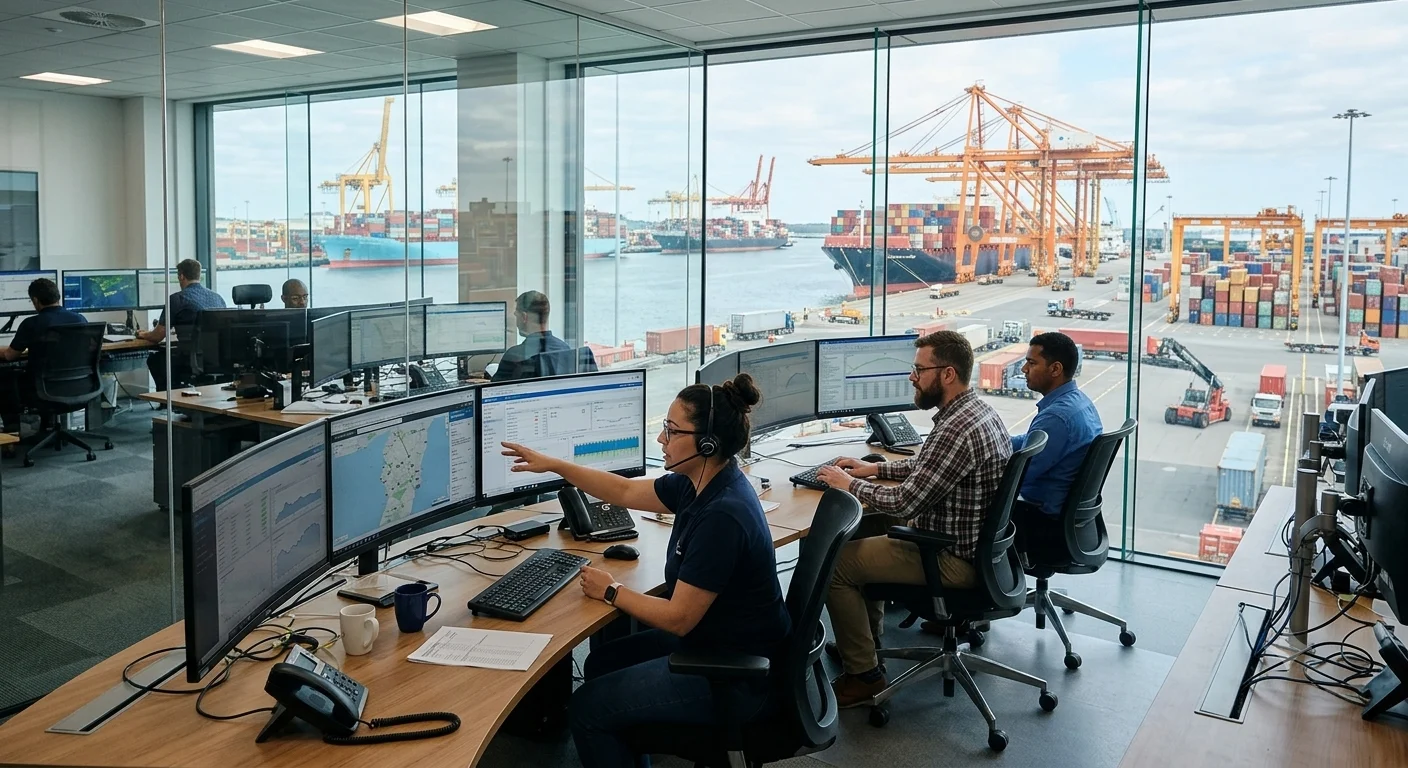
Reducing Shipping Delays Through Better Logistics Planning
Shipping delays are one of the most common challenges in international logistics. Even a well-planned shipment can experience disruptions caused by documentation issues, customs procedures, transportation capacity, weather conditions, or supply chain interruptions. While not every delay can be avoided, careful preparation often helps businesses reduce unnecessary disruptions.
Companies involved in international trade increasingly focus on proactive logistics planning rather than simply reacting to transportation problems. Coordinating freight movements, preparing accurate documentation, and selecting appropriate transportation methods can improve shipment reliability throughout the supply chain.
Skybey supports businesses by helping organize international freight operations that prioritize efficient planning, regulatory compliance, and operational visibility from origin to destination.
Why Shipping Delays Happen
International shipments move through multiple transportation stages, customs authorities, warehouses, ports, airports, and distribution centers. Delays may occur whenever one part of this network experiences operational challenges.
Some delays are beyond the control of logistics providers, while others may be reduced through better planning and communication before cargo begins its journey.
Quick Overview
- Prepare documentation before shipment departure.
- Plan transportation well in advance.
- Select suitable freight methods for delivery deadlines.
- Maintain communication across the supply chain.
- Monitor shipments throughout transportation.
Common Causes of Shipping Delays
Incomplete Shipping Documents
Documentation errors remain one of the most frequent reasons for shipment delays. Missing commercial invoices, incorrect packing lists, inaccurate product descriptions, or incomplete customs declarations may interrupt cargo movement during border inspections.
Reviewing shipping documents before departure helps reduce the likelihood of administrative delays during customs clearance.
Customs Clearance Issues
Customs procedures vary between countries and may require additional documentation, inspections, or regulatory approvals depending on the shipment. Delays often occur when declarations are incomplete or product information does not match customs requirements.
Preparing customs documentation accurately before cargo arrives at the border contributes to a more efficient clearance process.
Limited Transportation Capacity
During peak shipping seasons, transportation demand may exceed available airline, vessel, or trucking capacity. Businesses that arrange shipments at the last moment may experience limited booking options or postponed departures.
Planning transportation earlier often improves access to available freight capacity.
Port and Airport Congestion
Busy ports and airports occasionally experience operational congestion due to high cargo volumes, labor shortages, infrastructure maintenance, or adverse weather conditions. These situations may influence loading schedules, cargo handling, and transit times.
How Businesses Can Reduce Shipping Delays
Plan Shipments Early
One of the most effective ways to reduce delays is to begin logistics planning before production is completed. Early booking provides greater flexibility when selecting transportation schedules and available freight capacity.
Prepare Accurate Documentation
Every international shipment should include complete commercial invoices, packing lists, transport documents, certificates where required, and customs declarations prepared according to destination regulations.
Documentation accuracy supports smoother customs procedures and reduces the likelihood of unnecessary shipment inspections.
Select the Appropriate Transport Method
Different transportation methods offer different advantages. Air freight may be suitable for urgent deliveries, while ocean freight often supports larger commercial shipments. Road and rail transportation provide additional flexibility depending on destination and regional infrastructure.
Choosing transportation according to shipment priorities rather than cost alone may help improve delivery reliability.
Improve Supply Chain Communication
International logistics often involves manufacturers, suppliers, freight forwarders, customs brokers, carriers, warehouses, and final customers. Clear communication between these parties helps identify potential issues before they affect transportation.
Businesses often reduce operational disruptions by sharing shipment schedules, documentation updates, production timelines, and delivery expectations throughout the logistics process.
Regular communication also allows supply chain partners to respond more effectively when unexpected situations arise.
Monitor Shipments Throughout Transit
Shipment visibility has become an important part of modern logistics. Monitoring cargo throughout transportation allows businesses to follow shipment progress, identify delays early, and coordinate appropriate responses when required.
Transit visibility also supports warehouse scheduling, production planning, inventory management, and customer communication.
Many organizations use shipment tracking as part of broader supply chain planning rather than only checking cargo status after delays occur.
Work With Reliable Logistics Partners
Transportation planning extends beyond moving cargo between locations. Experienced logistics providers coordinate freight booking, customs preparation, documentation, carrier communication, and operational scheduling throughout the shipment.
Businesses often benefit from logistics partners that understand international transportation regulations, multimodal freight operations, and destination-specific shipping requirements.
Professional freight coordination may help identify potential operational risks before shipments are dispatched.
Build Flexibility Into Delivery Planning
International transportation depends on many external factors that cannot always be predicted. Weather conditions, customs inspections, infrastructure disruptions, and transportation capacity may all influence delivery schedules.
Businesses that include reasonable flexibility within procurement, manufacturing, and distribution planning are often better prepared to manage occasional transportation delays without significantly affecting operations.
Shipment planning typically depends on cargo urgency, inventory levels, customer commitments, and available transportation options.
Preventive Logistics Strategies
Reducing shipping delays is often easier than solving them after cargo has already departed. Preventive logistics strategies include forecasting transportation demand, reviewing supplier schedules, confirming documentation, securing freight capacity early, and evaluating alternative transportation routes when necessary.
These planning activities help businesses improve supply chain resilience while supporting more predictable international shipping operations.
Why Reducing Shipping Delays Matters
Consistent delivery performance supports customer satisfaction, inventory availability, production continuity, and international trade efficiency. Although some transportation disruptions remain unavoidable, proactive logistics planning can significantly reduce the likelihood of preventable shipment delays.
Skybey helps businesses coordinate international freight solutions that combine transportation planning, customs support, documentation management, and multimodal logistics to improve shipment reliability across global supply chains.
As international commerce continues to grow, organizations that invest in effective logistics planning are better positioned to manage transportation challenges while maintaining efficient and dependable cargo movement.