

Latest News
How to Choose the Right Freight Forwarder for Your Business
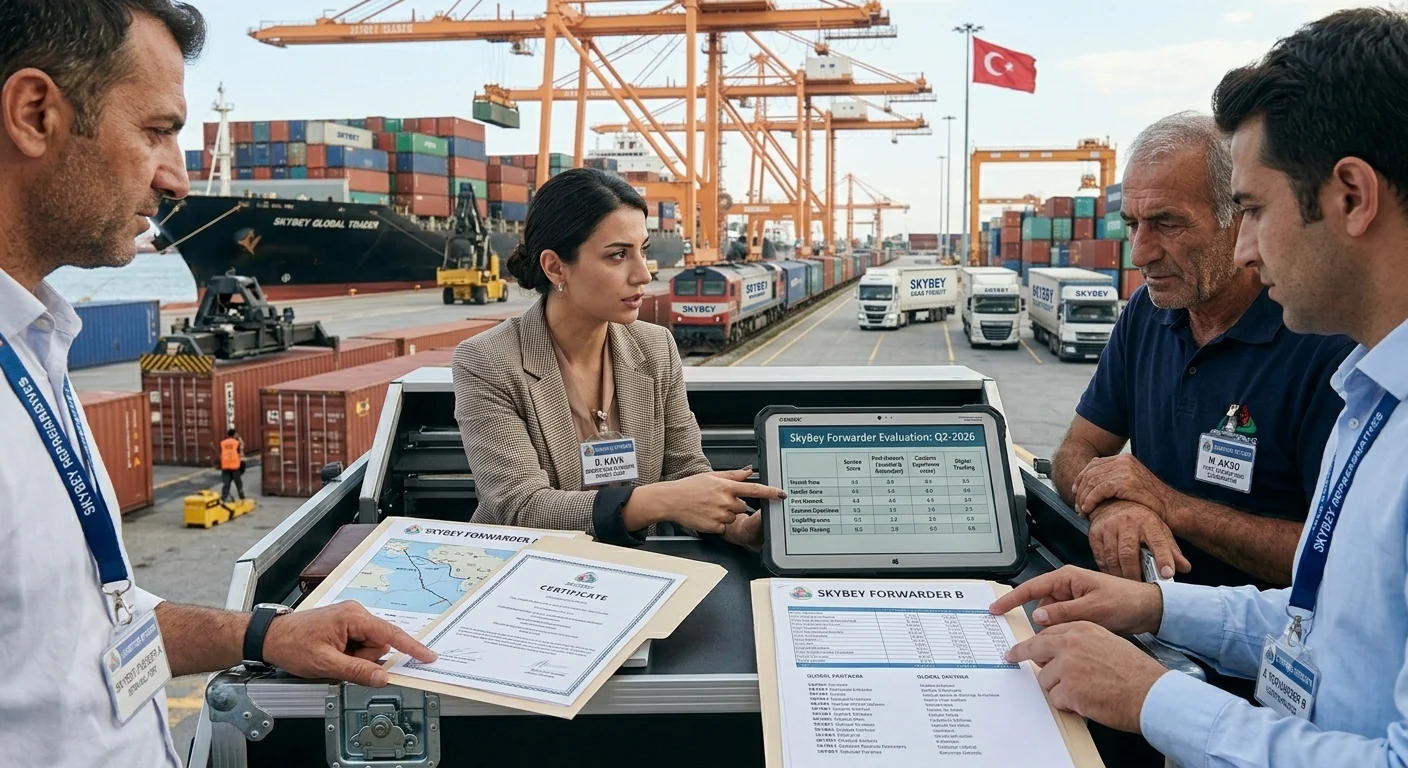
Choosing the Right Freight Forwarder for International Business
Selecting a freight forwarder is one of the most important decisions in international logistics. A freight forwarder does much more than arrange transportation. The right partner helps coordinate shipping operations, manage documentation, support customs procedures, and keep cargo moving efficiently across international supply chains.
Businesses involved in importing or exporting goods often rely on freight forwarders to simplify complex logistics processes. Choosing an experienced logistics partner can improve shipment planning, reduce operational risks, and support more predictable international deliveries.
Skybey works with businesses that require dependable freight coordination across multiple transportation modes while maintaining compliance with international shipping requirements.
What Does a Freight Forwarder Do?
A freight forwarder organizes and manages the transportation of goods between countries. Rather than operating every transport vehicle directly, freight forwarders coordinate logistics services through shipping lines, airlines, trucking companies, rail operators, customs brokers, and warehouse networks.
Their responsibilities typically include transportation planning, freight booking, shipping documentation, customs coordination, cargo tracking, and communication throughout the shipment process.
Key Takeaways
- Evaluate industry experience and logistics expertise.
- Review international transportation capabilities.
- Consider customs knowledge and documentation support.
- Assess communication and shipment visibility.
- Choose services that match your supply chain needs.
Look for Industry Experience
Experience remains one of the strongest indicators of a capable freight forwarder. International logistics involves changing regulations, transportation networks, customs procedures, and operational challenges that require practical knowledge.
Businesses should consider whether a logistics provider has experience with their industry, shipment types, destination countries, and transportation requirements.
A freight forwarder familiar with similar cargo movements may identify potential issues before they affect delivery schedules.
Evaluate the Global Network
International shipping depends on cooperation between logistics providers across different countries. A well-established freight forwarder usually works with reliable transportation partners, overseas agents, ports, airports, warehouses, and distribution networks.
A broad international network can improve coordination throughout the shipment journey while supporting smoother cargo transfers between transportation modes.
Businesses shipping to multiple regions often benefit from logistics providers with strong global connections and operational flexibility.
Review Customs Expertise
Customs clearance plays an important role in international freight. Incorrect documentation or regulatory misunderstandings may result in shipment delays, inspections, or additional administrative procedures.
An experienced freight forwarder should understand customs documentation, import and export requirements, tariff classifications, and applicable trade regulations for destination countries.
Customs expertise helps businesses prepare accurate documentation before cargo reaches international borders.
Consider the Range of Logistics Services
Not every shipment requires the same transportation solution. Some businesses need urgent air freight, while others rely on ocean freight, road transport, rail services, project cargo, or multimodal logistics.
Choosing a freight forwarder with multiple transportation options allows businesses to select logistics solutions that match shipment size, delivery deadlines, cargo characteristics, and operational priorities.
A wider service portfolio can also simplify future supply chain expansion.
Assess Communication and Responsiveness
Clear communication supports efficient logistics management. Businesses should understand how shipment updates, documentation requests, transportation changes, and operational issues will be communicated throughout the shipping process.
Regular communication helps companies respond quickly when unexpected circumstances affect cargo movement.
Reliable logistics partners typically provide timely updates and maintain consistent communication with customers, carriers, and customs authorities.
Shipment Visibility Matters
Modern logistics increasingly relies on shipment visibility. Knowing where cargo is located during transportation helps businesses plan warehouse operations, inventory management, production schedules, and customer deliveries.
Freight forwarders that support shipment tracking and transportation updates contribute to better supply chain coordination and operational planning.
Visibility also allows businesses to identify potential delays earlier and adjust logistics activities when necessary.
Compare Transportation Solutions
Rather than focusing only on transportation costs, businesses should compare the overall logistics solution being offered.
Important considerations include:
- Available transport modes
- Transit time expectations
- Customs support
- Cargo handling capabilities
- Documentation assistance
- Global coverage
- Warehouse services
- Risk management options
The most suitable freight forwarder is not necessarily the lowest-cost provider but the one that aligns with business objectives and shipment requirements.
Questions to Ask Before Choosing a Freight Forwarder
Businesses can better evaluate logistics providers by asking practical operational questions before entering into long-term cooperation.
- Which transportation modes are available?
- How are customs procedures managed?
- Can shipment status be monitored during transit?
- What destinations are regularly served?
- How are unexpected transportation disruptions handled?
- What documentation support is provided?
The answers often provide valuable insight into how a logistics provider manages international freight operations.
Build a Long-Term Logistics Partnership
Many businesses view freight forwarding as more than a transportation service. Long-term cooperation with a reliable logistics partner can simplify shipping operations, improve communication, and support supply chain consistency as business requirements evolve.
As import volumes grow or export markets expand, an established freight forwarder may help coordinate increasingly complex international logistics activities while maintaining operational efficiency.
Consistent collaboration also allows logistics providers to better understand customer priorities, shipping patterns, and transportation preferences.
Making the Right Choice
Choosing the right freight forwarder requires evaluating more than transportation pricing alone. Experience, customs expertise, international networks, communication quality, service flexibility, and operational reliability all contribute to successful international shipping.
Skybey supports businesses with freight forwarding solutions designed to simplify international logistics through coordinated transportation planning, customs support, shipment visibility, and multimodal freight services.
By selecting a logistics partner that understands your supply chain objectives, businesses can build more efficient, reliable, and adaptable international shipping operations for long-term growth.